
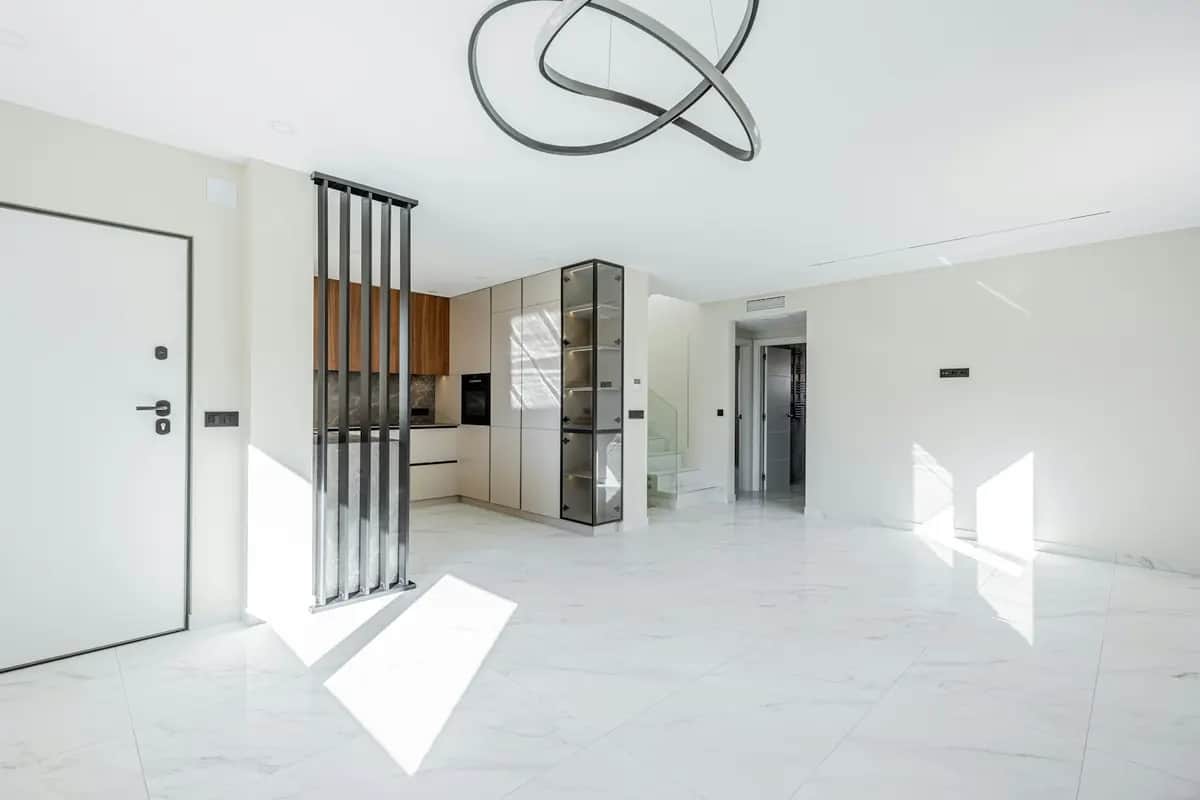

Want a verified furnished shortlist?
Share your budget, move-in window, and commute priorities. We will recommend expat-friendly societies and verified furnished listings that match your timeline.
Step 1: budget without guessing (the expat method)
Direct answer: Do not chase a single "average" number. Build a category budget for month 1, track real spend for two weeks, then adjust. This is more accurate and reduces surprises.
Budget categories to list (before you move)
- Rent + security deposit (one-time) + any move-in charges (if applicable)
- Utilities and internet
- Groceries and food delivery
- Commute (ride-hailing, metro, driver costs if applicable)
- Healthcare and school (if applicable)
- Home services (cleaning, small repairs)
Step 2: understand your biggest lever (housing)
Direct answer: Housing is usually the largest monthly cost and the largest "friction lever". A slightly higher rent can reduce commute stress, convenience transport, and daily disruption.
| Housing choice | How it changes cost | Why it matters |
|---|---|---|
| Furnished vs unfurnished | Furnished often lowers first-month setup spend | Fewer large purchases while you are still learning |
| Society operations quality | Better operations reduce hidden time and stress costs | Visitor/delivery rules affect daily routine |
| Commute predictability | Shorter/predictable commute reduces convenience spending | Less last-minute taxis and food orders |
A furnished rental can be cheaper in total cost for month 1 even if the rent is higher, because you avoid buying appliances and furniture during the settling-in phase.
Budget anchor: what rent looks like in our current furnished inventory
Direct answer: If you want a concrete starting point, use real listing baselines instead of internet averages. The examples below are from our current furnished inventory and are meant for planning, not for making claims about the full market.
| Example listing | Society / area | Base rent | Deposit baseline | First lease term |
|---|---|---|---|---|
| M3M Heights 2BHK | Sector 65 (GCER) | INR 1,05,000 / month | 2 months | 11 months |
| IREO Grand Arch 3BHK | Sector 58 (GCER) | INR 1,45,000 / month | 2 months | 11 months |
These are inventory snapshots (what is live on our site), not a promise of availability or the overall Gurugram market.
Entry-level premium: M3M Heights 2BHK at ₹1,05,000/month
The most affordable entry into Gurugram's premium GCER societies. 1,550 sqft furnished 2BHK in M3M Heights, Sector 65. Family amenities, managed handover.
Mid-range: IREO Grand Arch from ₹1,15,000/month
2BHK (₹1,15,000) and 3BHK (₹1,45,000) in Sector 58. One of the most expat-consistent societies on Golf Course Extension Road.
Move-in cash math (example you can reuse)
Direct answer: Many first-time expats underestimate the move-in cash requirement because deposit is a large one-time item. A simple way to plan is: deposit + first month rent + a small buffer for setup and convenience spend.
Example math using our current inventory baselines:
| Example | Deposit (2 months) | First month rent | Example move-in cash (deposit + month 1) |
|---|---|---|---|
| M3M Heights 2BHK | INR 2,10,000 | INR 1,05,000 | INR 3,15,000 |
| IREO Grand Arch 3BHK | INR 2,90,000 | INR 1,45,000 | INR 4,35,000 |
This is a planning example, not a guarantee. Add-ons can exist (maintenance, move-in logistics, internet installation). Always verify the unit-specific written terms.
Premium: Conscient Elevate 3BHK at ₹1,65,000/month
2,000 sqft furnished 3BHK in Conscient Elevate, Sector 59. Top-tier GCER premium with managed handover and structured lease.
Step 3: the "first-month" costs people forget
Direct answer: The first month is not only rent. You usually spend extra on one-time setup and stability: small household items, quick deliveries, and convenience services.
First-month cost checklist
- Small household setup (power strips, bedding if not included, basic cleaning items)
- Internet router or installation (provider-dependent)
- Extra ride-hailing while you learn routes and landmarks
- Short-term convenience: food delivery while you settle in
- Optional: air purifier if you are sensitive to seasonal air quality
Step 4: reduce daily friction (UPI + app stack)
Direct answer: Once UPI works, small daily payments become simpler. Then you only need a small app stack for transport, food, groceries, and home services.
| Category | What it solves | Common options |
|---|---|---|
| Payments (UPI) | Low-friction daily payments | Bank UPI apps, BHIM |
| Transport | Commute tests and last-mile trips | Uber, Ola |
| Food delivery | Reliable meals in busy weeks | Swiggy, Zomato |
| Groceries | Essentials without learning every store | Blinkit, Instamart, Zepto |
| Home services | Cleaning and small repairs | Urban Company, society vendors |
For deeper dives on each category: our food delivery apps guide covers Swiggy and Zomato setup, the grocery stores guide maps options near GCER, and hiring household help explains costs and norms for cooks and cleaners. For bulk purchases and international products, our Amazon India shopping guide for expats covers how to set up an account, what ships to Gurugram, and how to get the best pricing.
UPI safety checklist
- Set up UPI inside your bank app (or BHIM) and test a small payment
- Never share OTPs or UPI PINs
- Ignore "KYC update" links from messages and open the bank app directly
Step 5: commute planning (cost is time + money)
Direct answer: Commute cost is not only ride fares. It is time, predictability, and what it does to your routine. Test commute in your real travel window. If you use metro, use official operator resources.
Commute sanity check
- Test your route in your real travel window (weekday)
- Save pickup/drop landmarks that drivers recognize and security accepts
- If using metro: confirm station options and last-mile plan
Housing terms that change monthly cost (confirm early)
Direct answer: Two apartments can have the same rent and very different total monthly cost. The difference is usually in what is included and who pays for maintenance and repairs. Confirm these in writing so your budget is real. Before signing anything, read our expat lease checklist to know exactly what to look for — and our rent negotiation guide for how to get better terms.
| Term | What to clarify | Budget impact |
|---|---|---|
| Maintenance charges | Included in rent or paid separately | Can change monthly baseline |
| Repairs and servicing | Who pays for AC/appliance servicing | Affects "surprise" spend |
| Power backup | What works during backup inside the unit | Impacts comfort and add-on purchases |
| Inclusions | WiFi, housekeeping, consumables | Changes recurring spend |
Budget-proof questions
- Is maintenance included in rent? If not, what is the monthly amount?
- Who pays for AC/appliance servicing in a furnished unit?
- What is the deposit refund timeline and deduction process?
- What utilities are billed separately and how are they metered?
Utilities and internet (simple estimation method)
Direct answer: Utilities depend on usage and the building. The practical approach is to budget a conservative baseline for month 1, then adjust after you see real bills.
Month 1 utilities approach
- Ask for the previous bill range (if available) as a reference point
- Keep a buffer for the first month while you learn your usage
- Decide early how you will handle internet (provider, router placement)
| Utility | What to confirm | Why it matters |
|---|---|---|
| Electricity | Provider and billing method for your unit | You need predictable monthly bills |
| Backup power | What works inside the unit during backup | Comfort and work-from-home reliability |
| Internet | Feasible providers + router placement | Avoid "good society, bad WiFi" regret |
| Water | Any known outage patterns | Helps you plan routines |
If utilities are a major concern for your work routine, read: Utilities setup guide.
A practical example budget (use as a template)
Direct answer: Use a template to avoid missing categories. Replace the numbers with your own estimates and revise after two weeks of real spending.
| Category | Month 1 estimate | Notes |
|---|---|---|
| Housing (rent) | INR ___ | Depends on unit and society |
| One-time (deposit) | INR ___ | Verify refund rules in writing |
| Utilities + internet | INR ___ | Provider and usage dependent |
| Groceries | INR ___ | Depends on cooking vs delivery |
| Food delivery | INR ___ | Often higher in week 1 |
| Transport | INR ___ | Depends on commute and routine |
| Home services | INR ___ | Cleaning/repairs as needed |
| Misc (setup) | INR ___ | Household essentials |
This table is a planning template, not a promise of costs. Track real spending for two weeks and adjust.
Two-week reality check (calibrate your budget fast)
Direct answer: Instead of debating averages, run a two-week "reality check" after you move in. Track real spending in a simple note or spreadsheet, then adjust your month-1 budget with confidence.
| What to track | Why it matters | Simple tip |
|---|---|---|
| Groceries + food delivery | This swings the most in week 1 | Separate "essentials" from "convenience" |
| Transport | Commute and last-mile behavior becomes visible | Track your top 3 routes by cost/time |
| Utilities | You learn usage patterns quickly | Note AC-heavy days and backup behavior |
| Home services | Cleaning/repairs can appear suddenly | Keep receipts and vendor contacts together |
Two-week tracking rules (keep it easy)
- Track only the top 5 categories (do not track everything)
- Write one sentence per week: what drove overspend?
- After 2 weeks, set a monthly baseline and a buffer
- If housing is stressful, revisit the society/commute choice before optimizing small costs
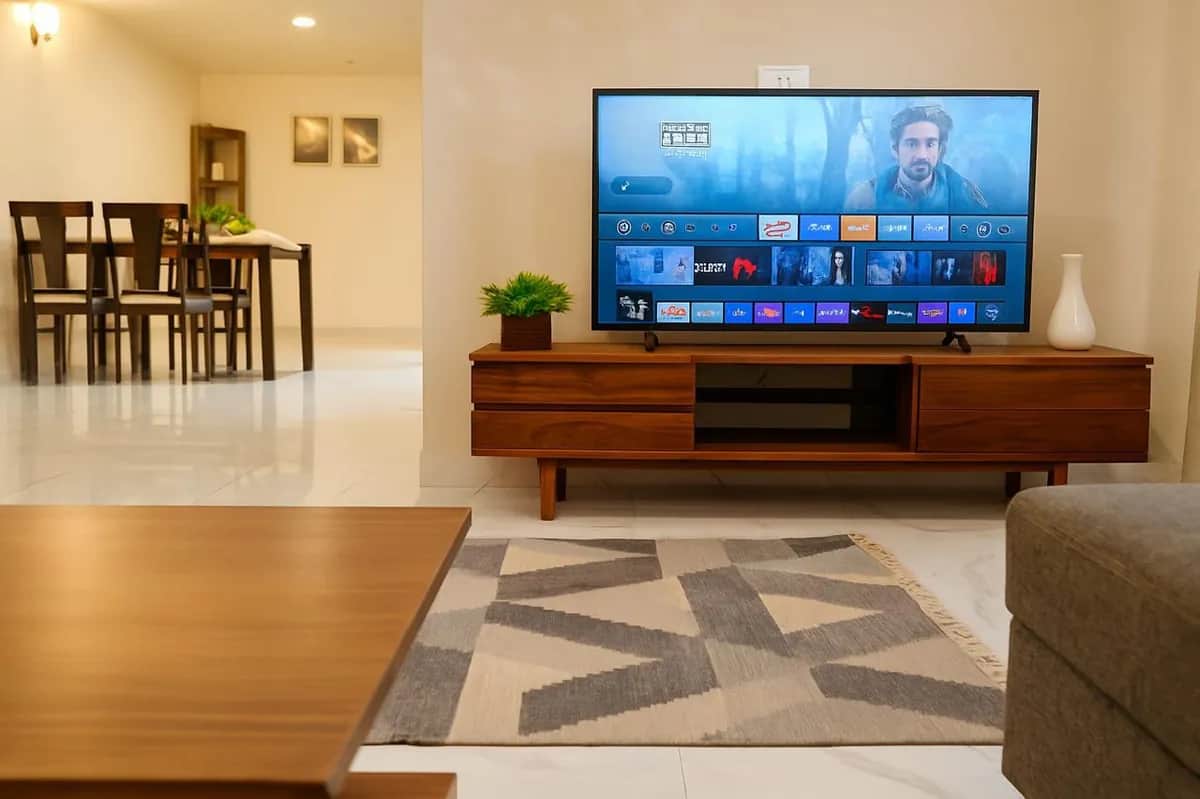
M3M Heights 2BHK
Common mistakes (that inflate costs)
Direct answer: Most cost overruns come from predictable mistakes: choosing only by rent, ignoring commute reality, and buying too much too early.
Avoid these
- Choosing only by staged photos (ignoring operations and rules)
- Not testing commute in real hours
- Buying large items before confirming what is included in the inventory
- Not setting up UPI early (leading to higher friction and convenience spending)
Three example budgets (templates you can customize)
Direct answer: Use these as templates, not as promises. Replace every line with your real estimates and revise after two weeks of actual spending.
| Persona | What usually drives cost | How to keep it calm |
|---|---|---|
| Single / couple | Commute + convenience spending | Choose a predictable routine and set up UPI early |
| Family with kids | School routing + home services | Decide schools first, then housing, then routines |
| Short-term assignment | Setup overhead + flexibility | Prefer furnished and keep commitments minimal |
How to cut cost without cutting quality
- Optimize commute predictability (time savings reduce convenience spending)
- Choose furnished for month 1 (avoid large purchases while learning)
- Use one grocery routine (premium store + quick-commerce backup)
- Avoid "maybe" apartments (multiple move-ins cost money)
- Put money terms in writing (deposit refund and maintenance responsibility)
After month 1: optimize one lever at a time
Direct answer: Once you have stable routines, you can lower spend without lowering quality. Make one change, measure for two weeks, then keep or revert. This avoids "saving money" that increases friction and stress.
Low-friction optimizations
- Reduce commute spend by fixing one pickup landmark and timing window
- Consolidate food delivery into a few default orders (less impulse spending)
- Choose one weekly grocery restock and one quick-commerce backup
- Confirm renewal/notice language early so you avoid last-minute costs
- Upgrade only what affects daily comfort (sleep, work setup, and air quality)
Want options that fit your budget and routine?
Share your budget range, move-in window, and commute priorities. We will recommend verified furnished listings in expat-friendly societies.
FAQs
What drives monthly cost the most?
Direct answer: Rent and commute. Housing choice also changes "hidden" cost: time, stress, and convenience spending.
Is it cheaper to live farther away?
Direct answer: Sometimes, but it can increase commute and convenience costs. Use total friction cost, not only rent.
Is UPI necessary?
Direct answer: Not strictly, but it reduces friction for small payments. Until it works, keep a backup plan: card + cash.
How do I avoid fraud that costs money?
Direct answer: Never share OTPs or install remote-access apps. Use RBI advisories and report suspected fraud through official channels.
How do I get a shortlist that fits my budget?
Direct answer: Send a structured request: move-in date, budget range, office location, family size, and must-haves. Browse our full listings to get an idea of what your budget covers.
Related reading
- 3BHK vs 4BHK apartments for expat families in Gurugram
- Short-term furnished apartments in Gurugram (3–6 months)
- Security deposit guide: expat apartment protection in Gurugram
Sources
- https://www.npci.org.in/what-we-do/upi/product-overview
- https://www.rbi.org.in/Scripts/BS_PressReleaseDisplay.aspx?prid=58595
- https://cybercrime.gov.in/Webform/Crime_Nccrp.aspx
- https://www.delhimetrorail.com/
- https://www.rapidmetrogurgaon.com/
- https://cpcb.nic.in/national-air-quality-index/
- https://www.dhbvn.in/
- https://services.gmda.gov.in/
- https://www.openstreetmap.org/copyright